
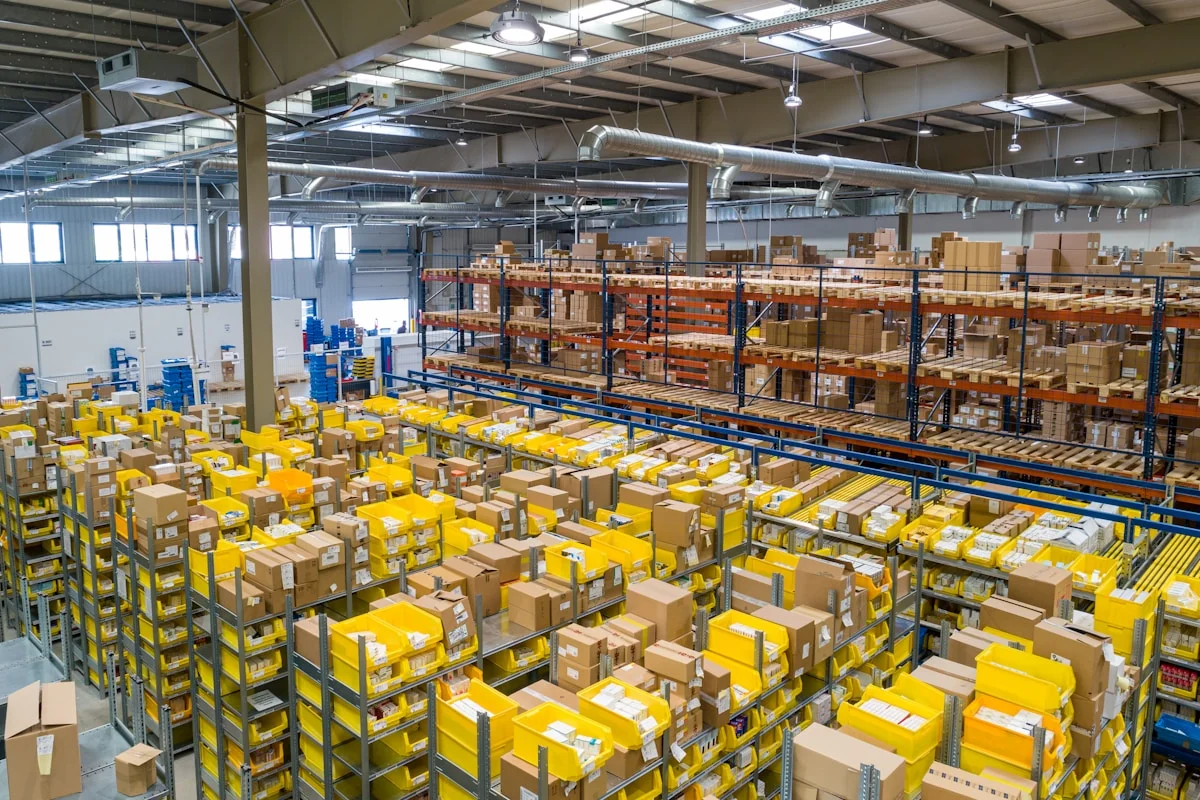
The distance from a farm field to a consumer’s table involves dozens of decisions: when to harvest for optimal shelf life, how to grade and sort, which market channel offers the best price, how to schedule cold chain transport, and how to coordinate with retailers who need precise volumes on tight delivery windows. AI is transforming all of these decisions — reducing food waste, improving grower returns, and delivering more consistent quality to consumers. This guide covers how AI is reshaping the agricultural supply chain from field to market in 2026.
AI Harvest Timing: Maximizing Quality at the Point of Sale
The single most important supply chain decision in fresh produce is harvest timing. A strawberry picked two days too early loses sweetness and shelf appeal. A head of lettuce harvested in sub-optimal weather wilts faster and doesn’t survive the supply chain intact. AI harvest timing systems analyze multiple indicators simultaneously to predict the optimal harvest window for each field block.
How AI Determines Optimal Harvest Timing
Platforms like Phenometrics and HarvestMark integrate weather data, growing degree day accumulation, plant physiological models, and spectral imaging to predict when each field or orchard block will reach optimal harvest maturity. The prediction horizon of 7–14 days allows labor contractors, packing facilities, and logistics providers to coordinate in advance — eliminating the rushed, suboptimal harvest decisions that occur when farms discover ripeness faster than expected.
In commercial strawberry operations, AI harvest timing systems have increased Grade 1 fruit percentage by 8–15% — a significant economic impact when Grade 1 commands $2–4 more per flat than Grade 2 at retail. For wine grapes, where Brix at harvest determines wine quality tier, AI timing systems have allowed wineries to improve their premium tier yields by targeting a tighter Brix range across larger acreage than is possible with manual Brix sampling programs.
AI Quality Grading and Sorting: Consistency at Production Line Speed
After harvest, produce enters packing operations where quality grading determines market channel and price. Traditional human grading is inconsistent, fatiguing, and unable to detect internal defects. AI computer vision sorting systems handle this task faster, more consistently, and with capabilities humans don’t have.
TOMRA and Compac — Leading AI Sorting Platforms
TOMRA’s sorting systems use hyperspectral imaging, near-infrared spectroscopy, and laser-based surface analysis to simultaneously assess color, size, surface defects, and sugar content (Brix) for each individual piece of fruit or vegetable at line speeds of 10–15 pieces per second. The system accurately detects external defects as small as 2mm, internal browning invisible from the surface, and Brix variations that predict shelf life differences.
Compac’s InVision sorting platform takes a similar approach with particularly strong performance for citrus, apples, and kiwifruit. In New Zealand kiwifruit pack houses, Compac InVision systems sort by Brix into shelf life brackets — a capability that allows exporters to match fruit to market by predicted shelf life, sending higher-Brix fruit to distant export markets and lower-Brix fruit to domestic retail where shelf life requirements are shorter.
AI Demand Forecasting: Connecting Growers to Market Intelligence
One of agriculture’s persistent inefficiencies is the disconnect between farm production planning and retail demand signals. Growers make planting decisions months before harvest based on price signals that may no longer reflect market conditions at harvest time. AI demand forecasting platforms are closing this gap by sharing forward-looking demand signals between retailers and growers.
How Retail-Grower AI Connects Supply and Demand
Retailers including Walmart, Tesco, and Kroger share 8–12 week demand forecasts with key produce suppliers through AI supply chain platforms. These forecasts incorporate promotional calendars, seasonal patterns, competitor pricing data, and weather-related demand shifts to give growers advance notice of volume requirements. Growers who can see that a major promotional feature is planned for strawberries in 10 weeks can adjust harvest scheduling and labor allocation accordingly.
Produce distributors using AI demand matching platforms report 15–22% reductions in unsold inventory — produce that would otherwise be discarded or sold at distressed prices because supply didn’t match demand on a given day. The economic value of this waste reduction is substantial: fresh produce retail margins are thin, and 10–20% waste reduction can double or triple distributor profitability on individual product lines.
AI Cold Chain Management: Preserving Quality Through Distribution
The cold chain — the network of refrigerated transport and storage that maintains produce quality from packing house to retail shelf — is where a significant portion of post-harvest losses occur. Temperature excursions, ethylene exposure, and humidity fluctuations degrade produce quality and accelerate spoilage. AI cold chain management systems monitor these parameters continuously and intervene proactively to prevent quality loss.
Sensitech and Emerson — Cold Chain AI Leaders
Sensitech’s TempTale and GO LOGGER systems place data loggers throughout shipments, transmitting temperature, humidity, and shock/vibration data in real time. AI analytics identify excursions early enough to take corrective action — rerouting a shipment to a different distribution center, adjusting retail allocation to move high-risk product first, or issuing quality credits before a dispute arises at receiving.
The economic benefit of proactive cold chain management is significant. A major U.S. fresh produce distributor implementing AI cold chain monitoring across its fleet reduced quality claim costs by 31% in the first year — primarily by identifying and acting on excursions before product arrived at receiving in unacceptable condition, allowing intervention (rerouting, culling, discount pricing) rather than rejection.
AI Price Optimization: Maximizing Grower Returns
Fresh produce prices fluctuate daily based on supply, quality, and demand. Growers and shippers who time their sales optimally — choosing the right market channel on the right day — capture significantly higher returns than those who sell based on habit or relationships alone. AI price optimization platforms provide this intelligence.
Platforms like Produce Pro and AgriForce analyze current market prices across spot markets, futures, retail contracts, and food service channels to recommend the optimal sales channel and timing for each product lot. For commodities with active futures markets — like potatoes and oranges — AI timing models that identify favorable basis relationships have improved grower netbacks by 8–15% in documented case studies.
Key Takeaways
- AI harvest timing increases premium grade fruit percentages by 8–15% through more precise maturity management
- AI sorting systems consistently outperform human graders for speed, consistency, and internal defect detection
- Retail-grower AI demand sharing reduces distributor unsold inventory by 15–22%
- AI cold chain monitoring reduces quality claim costs by 30%+ through early excursion detection
- The full value of agricultural supply chain AI comes from connecting multiple systems — harvest timing, sorting, demand forecasting, and cold chain — not from deploying individual point solutions
Related: AI in Agriculture 2026: Complete Guide | Best AI Precision Agriculture Tools | AI Livestock Management 2026
Authoritative source: The World Bank Food Loss and Waste initiative provides comprehensive analysis of food loss across supply chain stages globally, with specific data on cold chain failures and post-harvest technology intervention effectiveness across different agricultural systems.