
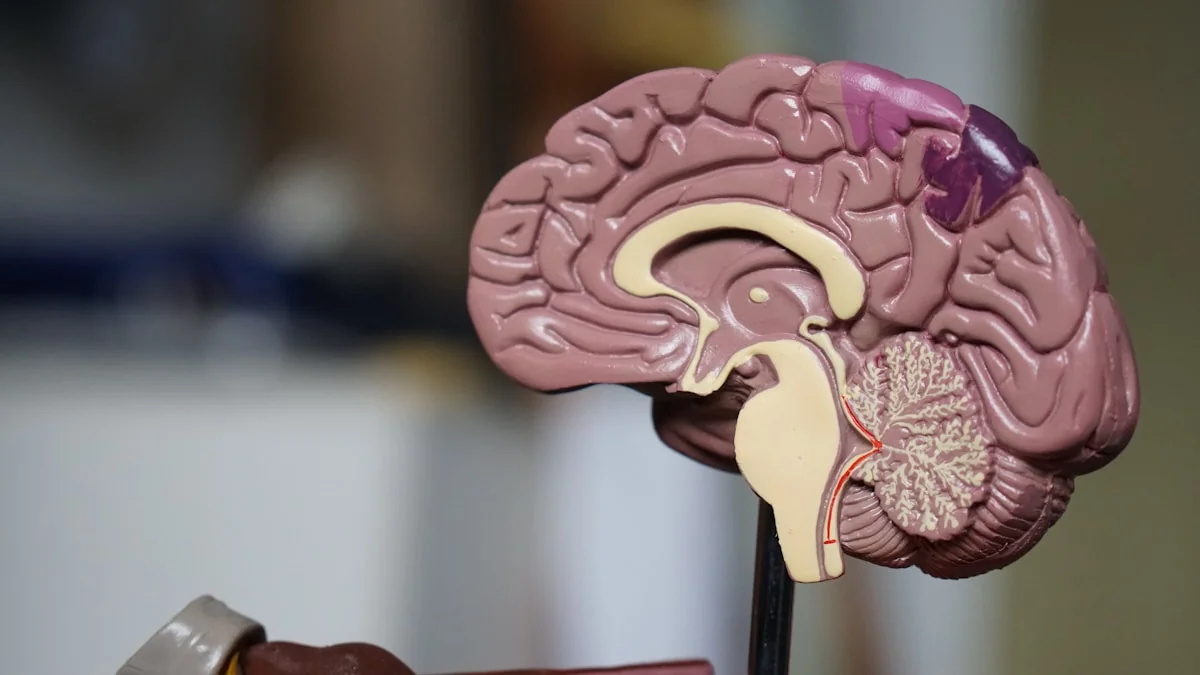
AI outperforming radiologists in certain imaging tasks is documented in peer-reviewed literature and validated by FDA clearances. What requires nuance is which specific tasks, in which clinical contexts, with which populations. Here is the evidence presented honestly — where AI is genuinely superior, where human-AI collaboration is optimal, and where radiologists remain clearly ahead.
Chest X-Ray: The Strongest Research Base
Chest X-rays are the most common imaging study globally (2+ billion annually), giving AI validation research its deepest evidence base. Google’s CheXNet (2017) first demonstrated AI exceeding radiologist performance for pneumonia detection (AUC 0.768 vs 0.716). A 2024 Lancet Digital Health systematic review of 36 studies confirmed AI superiority for pneumonia, pleural effusion, and cardiomegaly detection.
Deployed at Providence St. Joseph Health (51 hospitals), an AI triage system reduced time-to-treatment for pneumothorax by 36% and pneumonia by 28% — by ensuring urgent cases received immediate review regardless of queue position. This workflow integration delivers the clearest real-world clinical value.
Mammography AI: Reducing Both Miss Rates and False Positives
Mammography has two problems: it misses ~20% of breast cancers and generates ~10% false positive rates triggering unnecessary biopsies. AI addresses both simultaneously. FDA-cleared platforms Transpara and Hologic Genius AI have demonstrated in prospective trials that AI-assisted reading reduces missed cancers 8-20% while reducing false positives 6-10%.
The landmark Swedish ScreenTrustMamma study (2023) found AI-assisted mammography with one radiologist performed equivalently to double-reading by two radiologists — the European gold standard — using 44% less radiologist reading time. Given global radiologist shortages, this efficiency gain has significant operational implications for screening program sustainability.
CT Pulmonary Embolism: Life-Saving Speed
Pulmonary embolism mortality increases approximately 1% per hour of untreated clot burden. Aidoc’s AI triage system, deployed at over 1,000 hospitals, analyzes incoming CT pulmonary angiography studies in real time — immediately flagging suspected PE for urgent review regardless of queue position. In prospective studies, Aidoc PE AI decreased time-to-treatment by an average of 62 minutes, with direct survival implications.
Pathology AI: The Largest Performance Differential
Whole-slide pathology images contain billions of pixels — exceeding practical human attention span for exhaustive analysis. Paige Prostate AI demonstrated 98.7% sensitivity for clinically significant prostate cancer in FDA clearance validation. In multi-reader studies, pathologists using Paige detected 30.6% more cancers than without AI — specifically improving detection of small, subtle foci that visual review missed.
Where AI Falls Short: Honest Limitations
AI trained on one population performs worse on demographically different groups. Image quality variation degrades AI performance in ways experienced radiologists handle more robustly. Most critically: AI excels at narrowly defined detection tasks but struggles with integrative clinical judgment — synthesizing findings with clinical history, recognizing rare presentations, identifying unexpected incidental findings outside the AI’s analytical scope. The appropriate model is human-AI collaboration, not replacement.
Related: AI in Healthcare 2026 | Best AI Hospital Operations Tools | AI Drug Discovery 2026
Authoritative source: The FDA AI/ML-Enabled Medical Devices database lists all FDA-cleared AI diagnostic systems with validated indications — the definitive regulatory reference for comparing AI imaging performance claims that have been independently validated.